
risk management

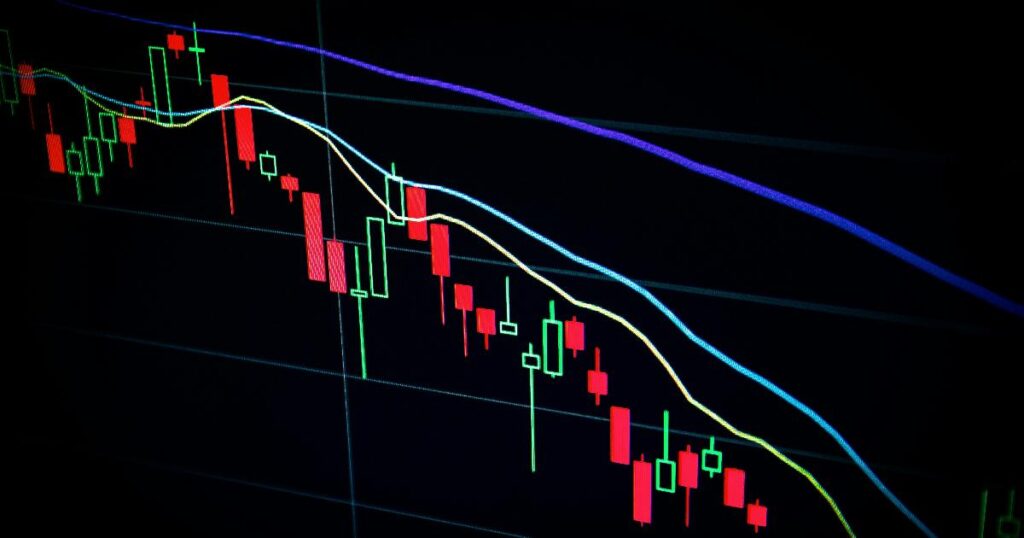
A trader reviewing margin levels beside a stock chart, illustrating how leverage in investing can undo a strong AI thesis.
Investment Myths

Right About AI, Ruined by Leverage: Why a Good Thesis Couldn’t Save This Fund

A reader recently wrote to a finance columnist with a question many investors quietly ask themselves: what’s wrong with 5x margin if you can borrow cheaply, you’re young, and you believe you’re right about where the market is going? Days later, the answer arrived in the form of a real case study — a 25-year-old hedge fund manager whose AI infrastructure thesis was, by most measures, working. His fund still ended up selling its stock portfolio at a discount to one of the most powerful firms on Wall Street. The lesson is not that he was wrong about artificial intelligence. It’s that being right and staying solvent are two entirely different problems.

A stock market chart on a monitor beside a risk checklist, illustrating market volatility vs portfolio risk in a crisis
Market Risks

The Difference Between a Market That Falls and a Portfolio That Breaks

In late February 2020, most investors had never heard of a “market-wide circuit breaker.” Three weeks later, many had watched one trigger four times in a single month — something that had happened only once before in the history of U.S. markets. The speed of that crash, and the speed of the recovery that followed roughly two months later, is often told as a story about investor psychology: people panicked, then people who held on were rewarded. That version is not wrong, but it skips the more useful part. March 2020 is a cleaner lesson in market structure — in how a shock moves through liquidity, leverage, and rules-based safeguards — than it is a lesson in willpower.

Scroll to Top