portfolio risk

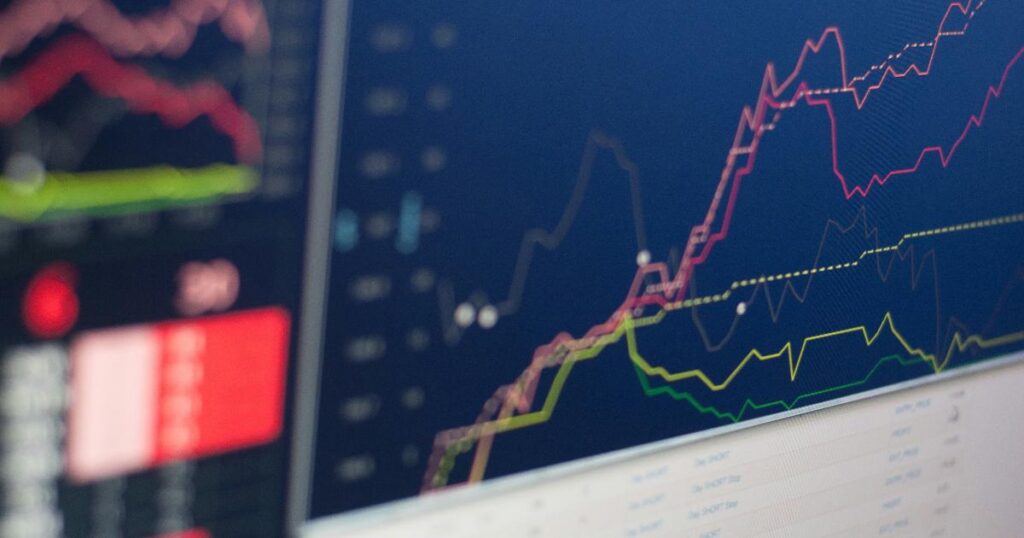
A portfolio chart illustrating AI concentration risk and diversified investing across stocks, bonds, and global assets
Diversification

Worried About AI Concentration? Don’t Trade One Big Bet for Another

A market that keeps rewarding the same handful of stocks has a way of making diversification look pointless — until the day it isn’t. That tension is exactly what’s bothering a growing number of index-fund investors: they’ve done everything “right,” yet they can feel their S&P 500 fund turning into something closer to a basket of AI infrastructure stocks. The real question isn’t whether to panic about that. It’s whether there’s a way to lower that risk without quietly taking on a different, equally concentrated bet.
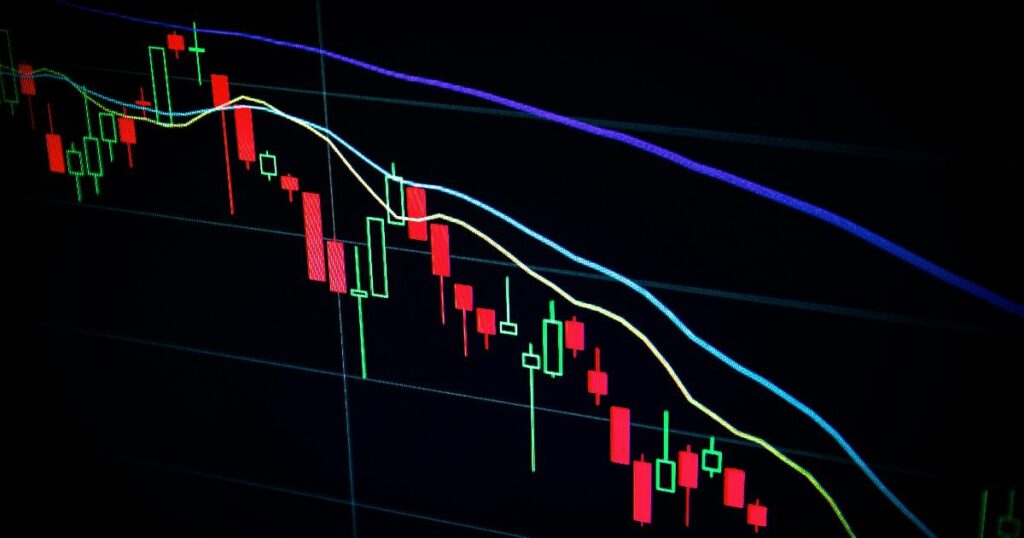
An investor reviewing market charts during a stock market crash fear cycle, with no clear timing signal
Market Risks

Why Most Americans Expect a Crash — and Why That Belief Won’t Tell You When

Three out of four Americans now say the stock market’s recent highs are “unsustainable” and that a correction is coming. That is a striking number, but it is also, on its own, almost useless as a forecast. Crowds have been wrong about crashes before, and they have been right too — the trouble is that surveys cannot tell you which outcome you’re looking at until after the fact. The more productive question isn’t whether the fear is justified. It’s what an investor should actually do while carrying it.

Analytical comparison of lump sum investing and dollar-cost averaging for a large rollover portfolio
Investment Myths

The $500,000 Question Isn’t Timing the Market — It’s Timing Your Nerves

A rollover check for half a million dollars does not arrive with instructions. It arrives with a decision: put it all to work now, or feed it in gradually and hope the market cooperates. Most explanations of this choice treat it as a math problem with a correct answer. It isn’t. The real question is which approach gives you the best odds of still being invested — calmly, without a sleepless month of second-guessing — five, ten, or twenty years from now.

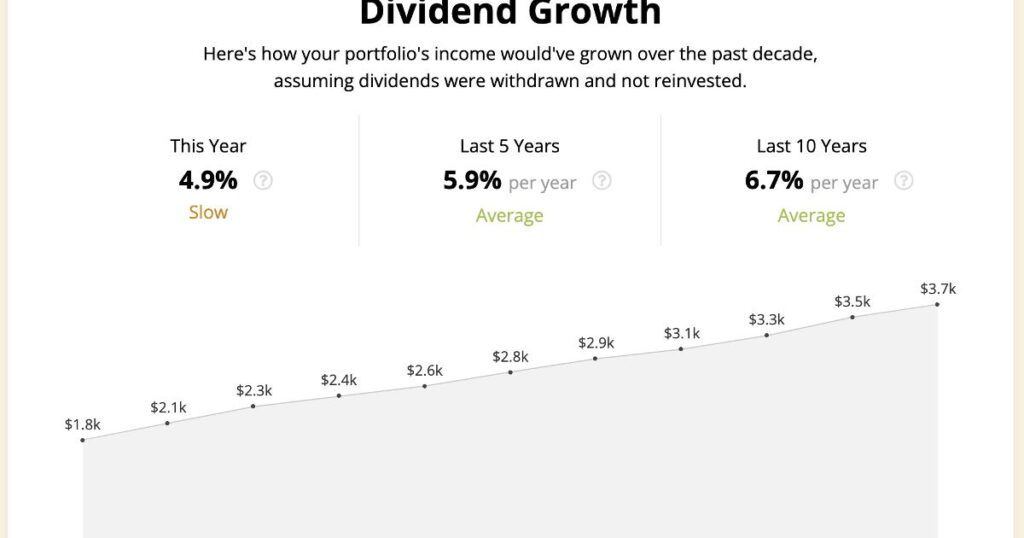
A dividend growth investing chart beside a falling portfolio value graph, illustrating the focus keyword phrase
Market Risks

When a Growing Dividend Check Can Still Hide a Shrinking Portfolio

A rising dividend feels like proof that things are going well: more cash landing in the account, seemingly without you doing anything. But the comfort of a growing income stream and the safety of a portfolio are two different things, and confusing them is one of the quieter risks in investing today.

A stock market chart on a monitor beside a risk checklist, illustrating market volatility vs portfolio risk in a crisis
Market Risks

The Difference Between a Market That Falls and a Portfolio That Breaks

In late February 2020, most investors had never heard of a “market-wide circuit breaker.” Three weeks later, many had watched one trigger four times in a single month — something that had happened only once before in the history of U.S. markets. The speed of that crash, and the speed of the recovery that followed roughly two months later, is often told as a story about investor psychology: people panicked, then people who held on were rewarded. That version is not wrong, but it skips the more useful part. March 2020 is a cleaner lesson in market structure — in how a shock moves through liquidity, leverage, and rules-based safeguards — than it is a lesson in willpower.

Scroll to Top