market risk

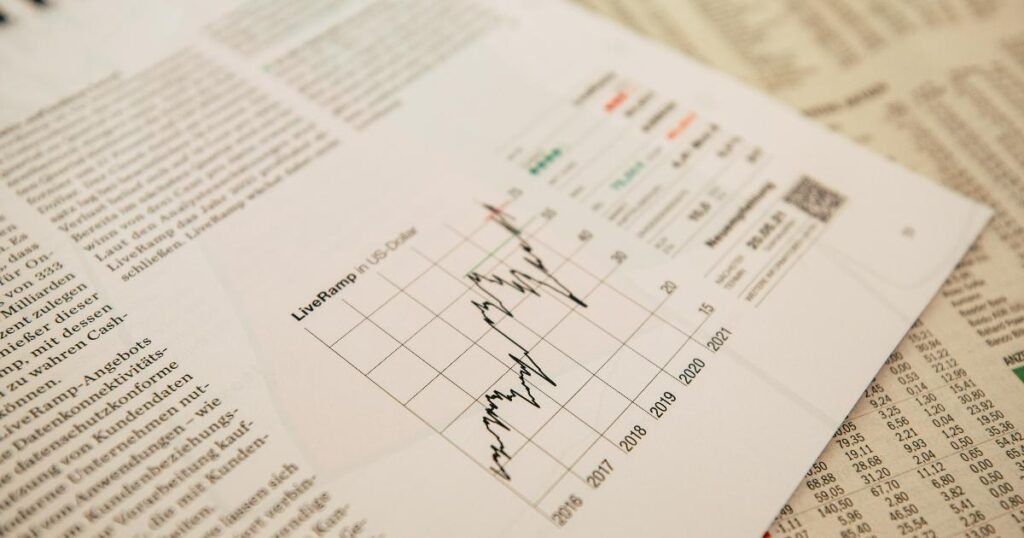
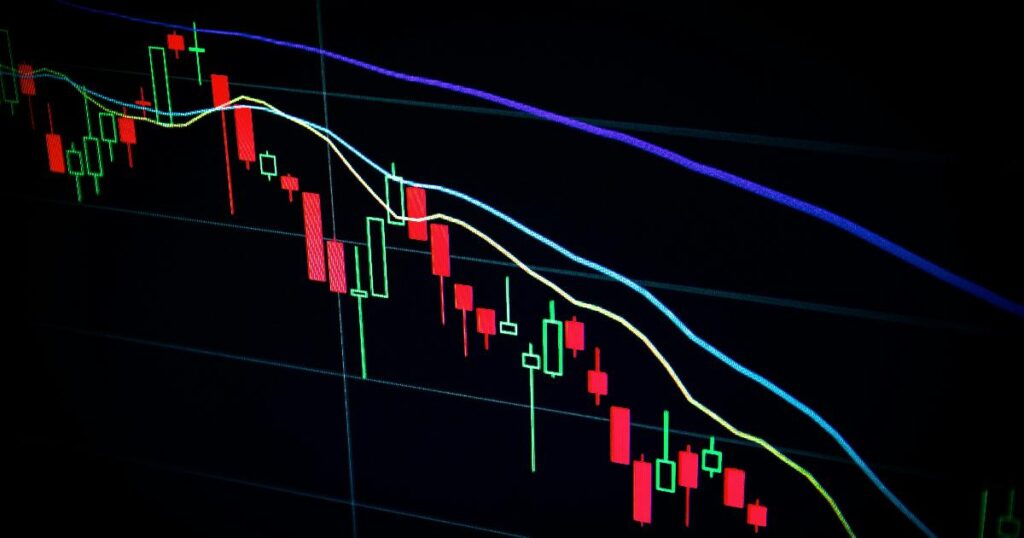
A stock market chart beside newspaper headlines showing market risk and investor discipline
Market Risks

When the Headlines Scream and the Market Shrugs: Lessons From 2026’s First Half

If you had read only the news in the first six months of 2026 — a war disrupting the world’s most important oil chokepoint, inflation jumping to a multi-year high, a new Federal Reserve chair upending communication norms — you might have guessed the stock market spent the period in retreat. Instead, the S&P 500 notched roughly two dozen record highs and returned over 10% including dividends. That gap between the tone of the headlines and the arithmetic of portfolio statements is not a fluke of 2026. It is a recurring pattern that says something important about how markets actually absorb risk, and it is worth understanding before the next scary headline arrives — because there will always be one.

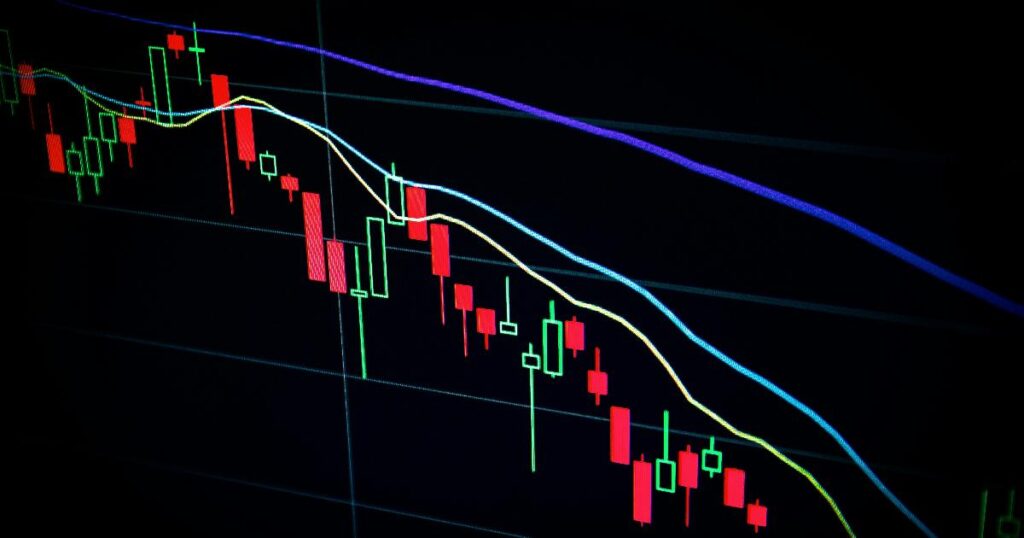
Analytical view of resilient markets in 2026 and the hidden portfolio risk from higher rates, currency swings, and concentration
Market Risks

Resilience Isn’t the Same as Safety: What 2026’s “Steady” Markets Are Still Hiding

Halfway through 2026, the dominant story in market commentary is not collapse but endurance. Despite tariffs, war, sticky inflation, and central banks that refuse to cut rates as fast as markets would like, the global economy has mostly done what skeptics said it couldn’t: it held together. That is a genuinely useful fact. It is also, on its own, a poor guide to how much risk sits inside a typical portfolio right now — because resilience at the level of GDP and corporate earnings does not automatically translate into calm at the level of bond prices, currency swings, or concentrated equity positions.

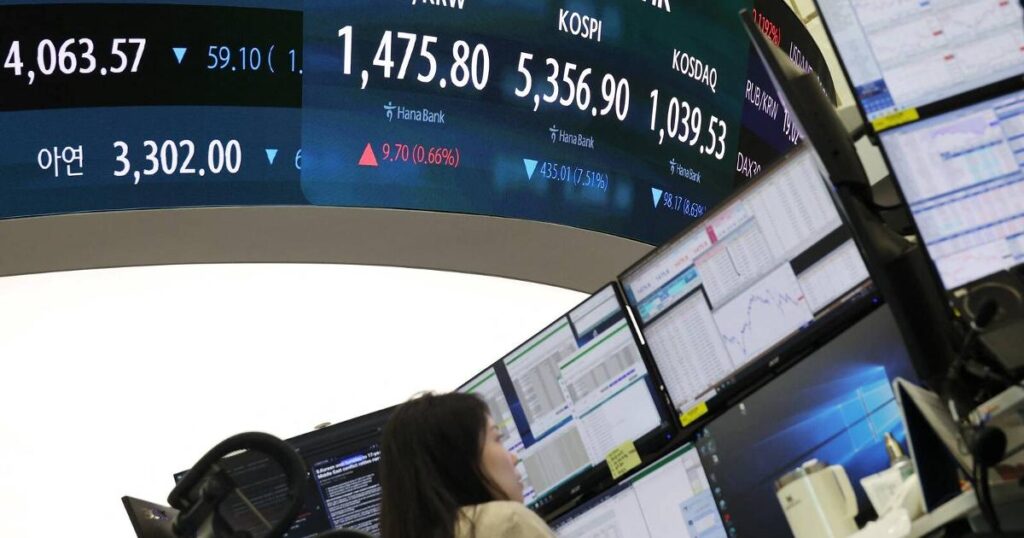
A Tokyo skyline with the yen exchange rate board and stock market screens, illustrating Japan rate hike risks for investors.
Market Risks

Japan’s Highest Rates in Decades Don’t Simplify the Risk — They Multiply It

When a central bank raises rates after decades of near-zero policy, the instinct is to treat it as good news: tighter money, a firmer currency, a more “normal” economy. Japan’s latest move tempts exactly that reading. But for an investor holding Japanese equities, an ETF, or a diversified global fund with Japan inside it, the more useful question isn’t whether the Bank of Japan (BoJ) is normalizing — it’s which risks that normalization is quietly rearranging underneath the surface.

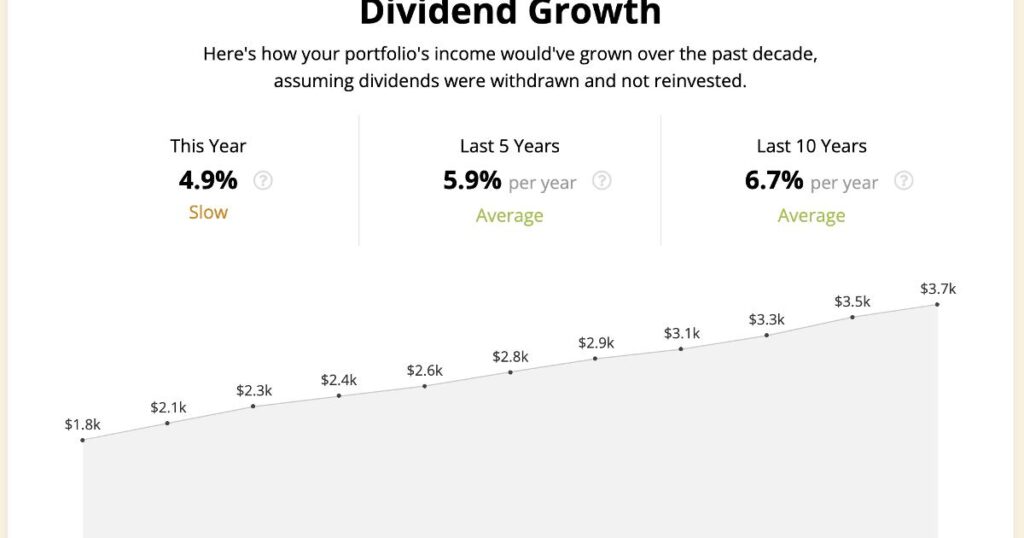
Monthly dividend ETFs like SPHD and DIVO can look safe, but their income depends on equity risk, sector exposure, and options premiums.
Market Risks

Monthly Dividend ETFs and the Illusion of Safety: What SPHD and DIVO Actually Deliver

A monthly dividend that arrives with the regularity of a utility bill can feel like a financial anchor — predictable, reassuring, almost salary-like. For retirees drawing down a portfolio, that psychological comfort is real. But comfort is not the same as protection, and the payment schedule on an ETF says nothing about what is happening to the principal underneath it. Two funds that illustrate this tension particularly well are the Invesco S&P 500 High Dividend Low Volatility ETF (SPHD) and the Amplify CWP Enhanced Dividend Income ETF (DIVO): both pay monthly, both market themselves toward income-focused investors, and both carry equity risks that their branding does not always make obvious.

Scroll to Top