

investment myths

A person using a smartphone app to review an investing dashboard and automatic transfer settings
Investment Myths

The Guidance Trap: What Investing Apps Like Stash Actually Solve — and What They Don’t

Ask a beginner why they haven’t started investing yet, and you rarely hear “I can’t find a brokerage.” You hear something closer to “I don’t know what I’d even pick.” That gap — between having access to markets and knowing what to do once you’re in them — is the real terrain that apps like Stash are built to occupy. The question worth asking is not whether Stash is a well-designed product. It’s whether paying a recurring fee to solve a behavioral problem is a good trade, or whether it’s dressing up something a free or near-free account could already handle.
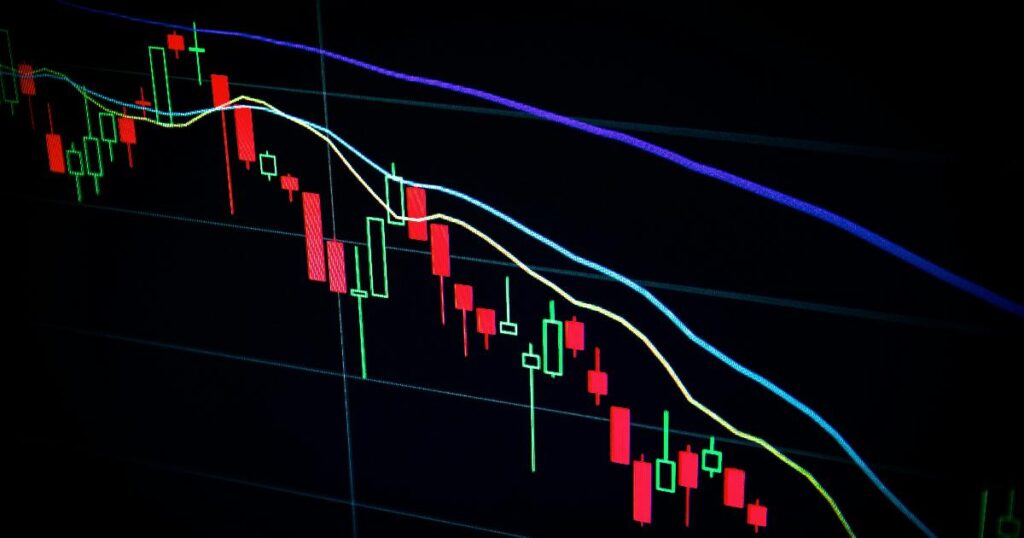

A financial dashboard with stock charts and contract documents illustrating downside protection in structured products
Investment Myths

“Less Downside, Most of the Upside” — What You’re Really Paying For

When markets get choppy, or retirement gets close, a certain pitch starts showing up in inboxes and advisor meetings: get most of the stock market’s gains, but be shielded from most of its losses. It sounds like the investing equivalent of a seatbelt — a sensible extra layer of safety that costs you almost nothing. The reality is closer to a trade than a shield. Somebody, somewhere, is pricing that protection, and the money to pay for it comes out of your own return, your own flexibility, or your own risk exposure. The question worth asking isn’t whether these products are real. It’s what, specifically, you’re giving up to get them.

A factor-tilted all-in-one ETF compared with a plain market-cap ETF on a desk, illustrating the focus_keyword of factor investing choices
Investment Myths

Is a Factor-Tilted All-in-One ETF Worth the Complexity?

A new Canadian ETF promises to do more than just match the market — it aims to beat it, modestly but persistently, by tilting toward certain stock characteristics that academic research has linked to higher long-run returns. That is a genuinely interesting proposition. It is also one of the oldest marketing stories in fund management, and it deserves a careful reading before any investor decides it solves a problem they actually have.

Scroll to Top