
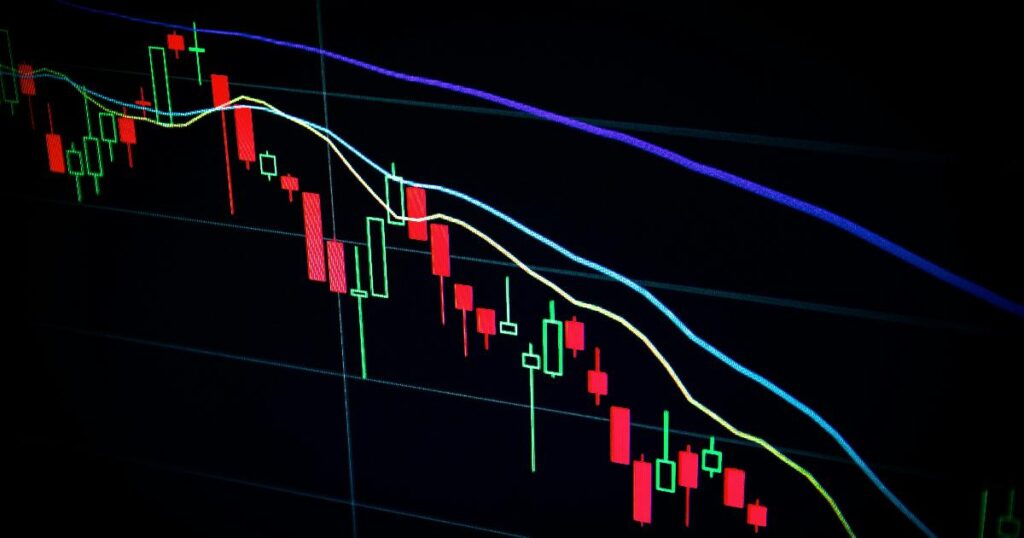
stock market crashes

A stock chart dropping sharply on a monitor, illustrating the stock market crash risk despite a stable economy
Market Risks

Why a Calmer Economy Still Can’t Save Stocks From Crashing

A market can feel unusually forgiving for years — fewer recessions, faster policy fixes, more information reaching more people in less time — and still deliver the kind of gut-punch decline that makes headlines. That combination confuses a lot of investors, because it seems to contradict itself. If the economy is sturdier and traders can react instantly to bad news, shouldn’t the market simply glide upward with the occasional dip, rather than the occasional crash? The evidence says no, and the reason has less to do with economics than with what stocks are actually for.
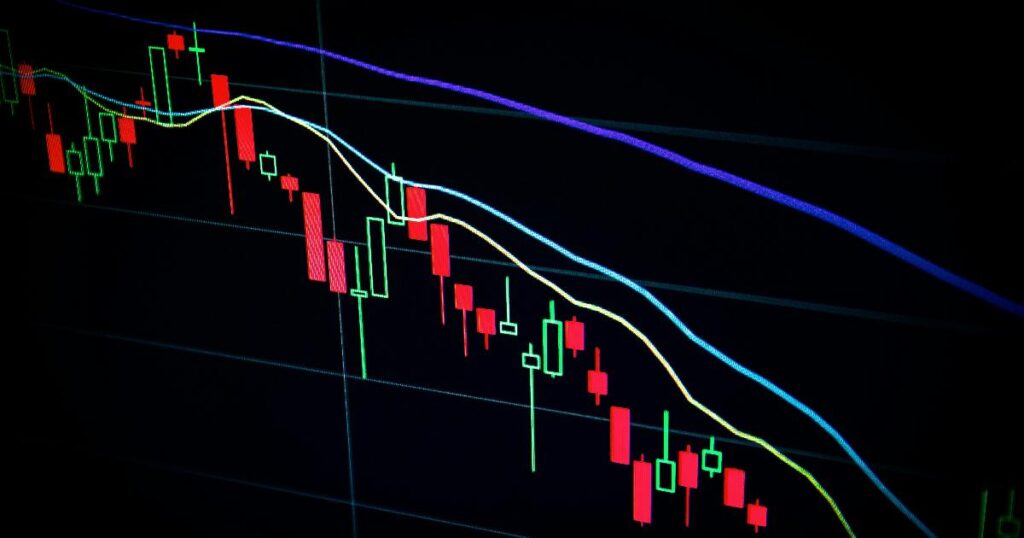
A chart of market volatility showing how the best days and worst days cluster together during market crashes, illustrating the market timing lesson
Market History

Bob Bought at Every Market Peak for 40 Years. He Still Retired a Millionaire.

Two of the most quoted stories in personal finance seem to point in opposite directions. One says a chronically unlucky investor named Bob can buy at the worst possible moments for four decades and still end up rich. The other says missing just ten good trading days out of thousands can gut your lifetime returns. Readers who encounter both eventually ask the obvious question: if timing really matters that much, how did Bob survive it?

Scroll to Top