
retirement income

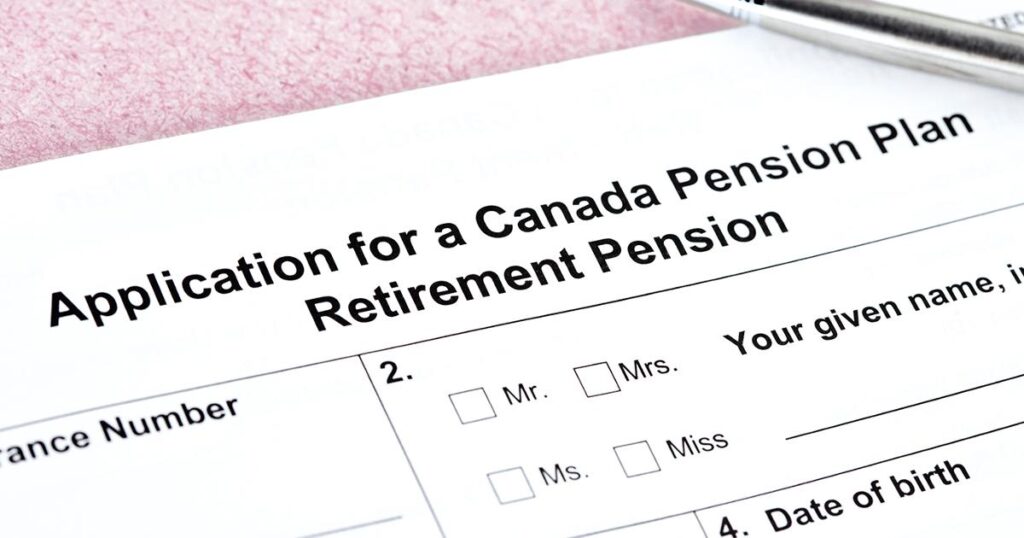
A retiree reviewing RRIF statements and tax notices, illustrating how RRIF minimum withdrawals can affect income, taxes, and benefits
Risk Metrics

The RRIF Minimum Isn’t the Risk. What It Triggers Is.

A retiree converts an RRSP into a RRIF, takes the government-mandated withdrawal, and assumes the story ends there: money comes out, tax gets paid, done. Then the tax bill arrives larger than expected, a notice from the Canada Revenue Agency asks for quarterly instalments, and somewhere in the mix an Old Age Security payment looks smaller than it used to. The withdrawal itself was never the surprise — its downstream effects were.

Monthly dividend ETFs like SPHD and DIVO can look safe, but their income depends on equity risk, sector exposure, and options premiums.
Market Risks

Monthly Dividend ETFs and the Illusion of Safety: What SPHD and DIVO Actually Deliver

A monthly dividend that arrives with the regularity of a utility bill can feel like a financial anchor — predictable, reassuring, almost salary-like. For retirees drawing down a portfolio, that psychological comfort is real. But comfort is not the same as protection, and the payment schedule on an ETF says nothing about what is happening to the principal underneath it. Two funds that illustrate this tension particularly well are the Invesco S&P 500 High Dividend Low Volatility ETF (SPHD) and the Amplify CWP Enhanced Dividend Income ETF (DIVO): both pay monthly, both market themselves toward income-focused investors, and both carry equity risks that their branding does not always make obvious.

Scroll to Top