

market timing

Analytical comparison of lump sum investing and dollar-cost averaging for a large rollover portfolio
Investment Myths

The $500,000 Question Isn’t Timing the Market — It’s Timing Your Nerves

A rollover check for half a million dollars does not arrive with instructions. It arrives with a decision: put it all to work now, or feed it in gradually and hope the market cooperates. Most explanations of this choice treat it as a math problem with a correct answer. It isn’t. The real question is which approach gives you the best odds of still being invested — calmly, without a sleepless month of second-guessing — five, ten, or twenty years from now.
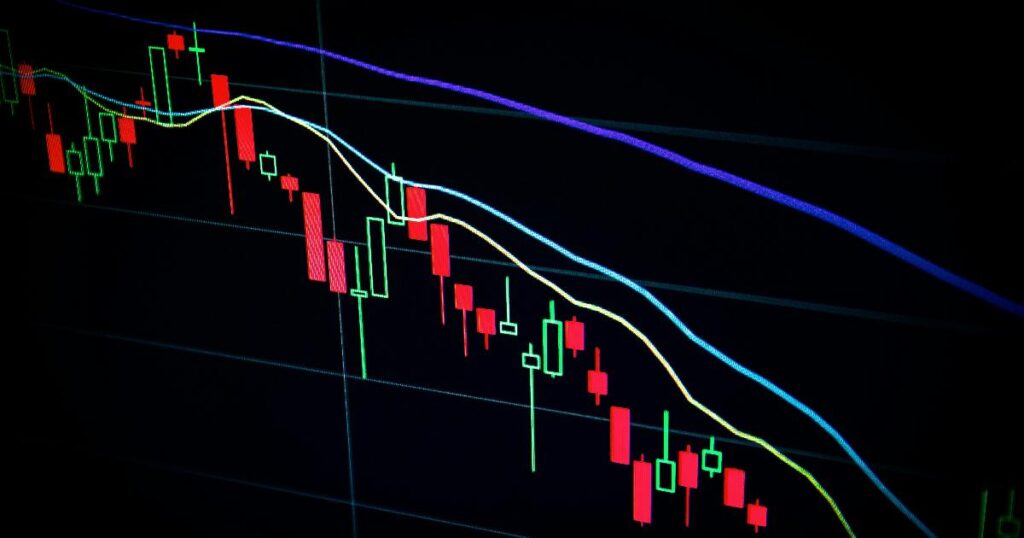
A chart of market volatility showing how the best days and worst days cluster together during market crashes, illustrating the market timing lesson
Market History

Bob Bought at Every Market Peak for 40 Years. He Still Retired a Millionaire.

Two of the most quoted stories in personal finance seem to point in opposite directions. One says a chronically unlucky investor named Bob can buy at the worst possible moments for four decades and still end up rich. The other says missing just ten good trading days out of thousands can gut your lifetime returns. Readers who encounter both eventually ask the obvious question: if timing really matters that much, how did Bob survive it?

Scroll to Top