
Market history

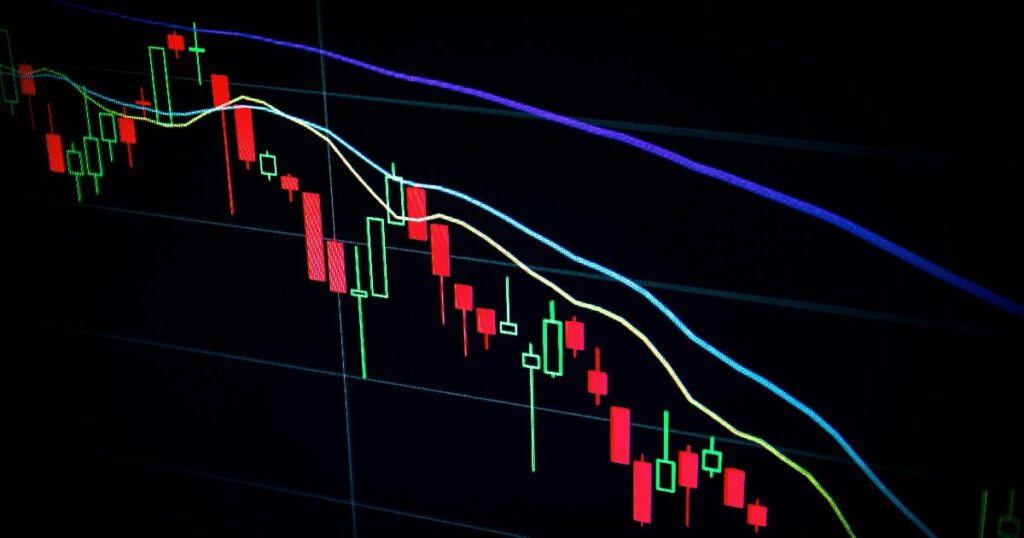
A century of U.S. stock returns shown as a chart, highlighting how the average hides wide volatility and uneven compounding
Market History

A Century of U.S. Stock Returns: Why the Average Hides More Than It Reveals

Imagine buying U.S. stocks at some random moment over the past hundred years and then asking a simple question: what actually happened next? Not on average, not in theory — what happened to your money over the following month, year, decade, or two? The honest answer is unsettling for anyone who likes tidy numbers: it depends enormously on which “next” you’re asking about, and the single average return figure that gets quoted in almost every retirement calculator obscures that fact almost completely.
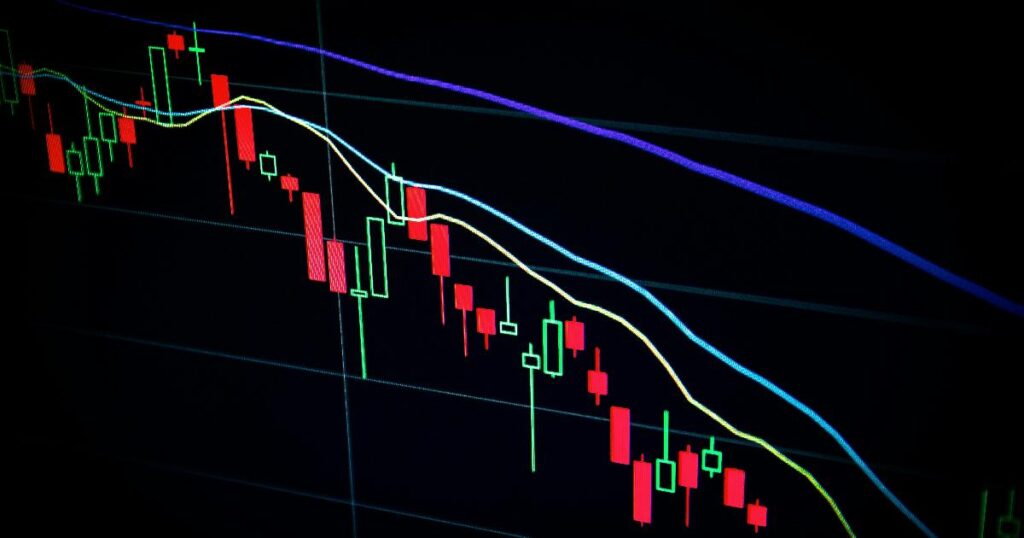
A retirement investor reviewing a valuation chart, illustrating high market valuations and long flat decades
Market History

When the Market Looks Expensive: What History Really Says About Long, Flat Decades

Every few years, someone points at market valuations and warns that stocks are too expensive. Prices keep rising anyway. Eventually, the warning starts to sound like background noise — the financial equivalent of a boy crying wolf. The uncomfortable possibility, though, is that a warning can be wrong for years and still turn out to matter, just on a longer clock than anyone wanted to wait for.

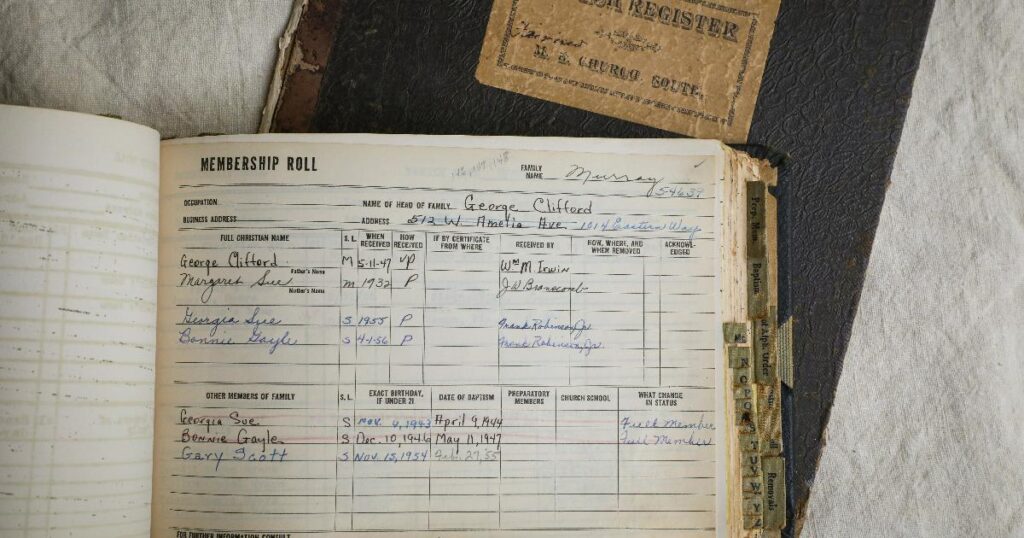
Historic ledger and Treasury bonds illustrating American debt history and investor risk
Market History

Two Founders, One Debate: What 250 Years of American Debt Teaches Investors About Risk

Every time a headline warns that the national debt has hit a fresh record, it’s worth remembering that the United States was born broke. In 1776, the newly declared nation had no power to tax, a currency worth little more than the paper it was printed on, and defaulted loans owed to European lenders. That founding fact — often lost in modern debt panic — is the starting point for a more useful investor question than “is this the crisis that finally breaks the system?” The better question is: how has this system historically behaved under stress, and what does that behavior actually tell us about risk today?

Scroll to Top