
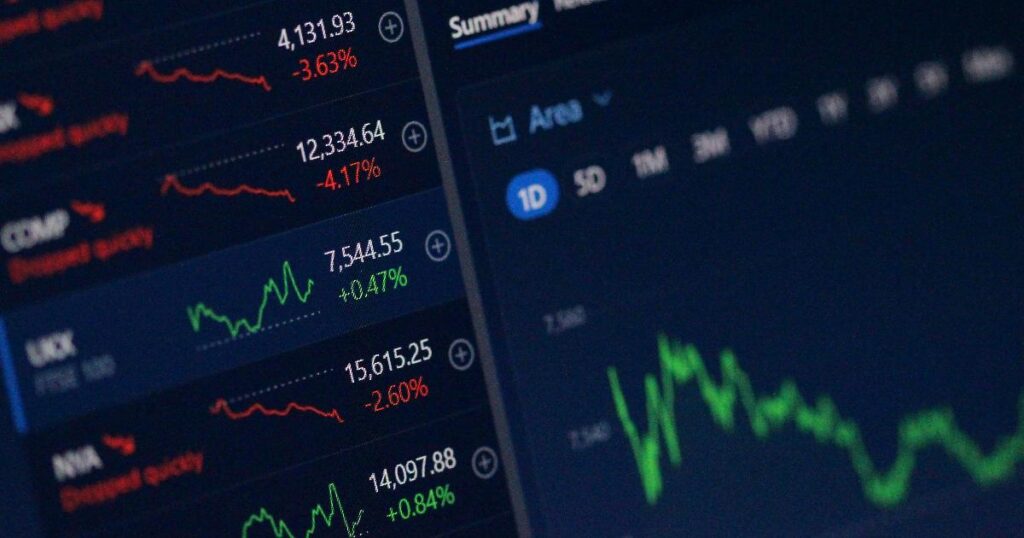
interest rates

A financial chart showing rising interest rates, falling bond prices, and a stock index line near record highs, illustrating the focus_keyword phrase.
Market Risks

Rising Rates Are Crushing Bonds and the Stock Market Doesn’t Seem to Notice. Here’s Why That’s Not a Contradiction.

Mortgage rates above 7%. Oil near $100 and gas near $5. An inflation rate of 3.4%, well above the Fed’s target. And yet the stock market is sitting near all-time highs while consumer sentiment sits near multi-decade lows. If that combination feels like it shouldn’t coexist, you’re reacting the way most people do — and you’re also missing the point. The economy and the stock market are not the same thing, and rising rates do not hit every asset the same way. Understanding why is one of the more useful things an investor can do, especially right now.
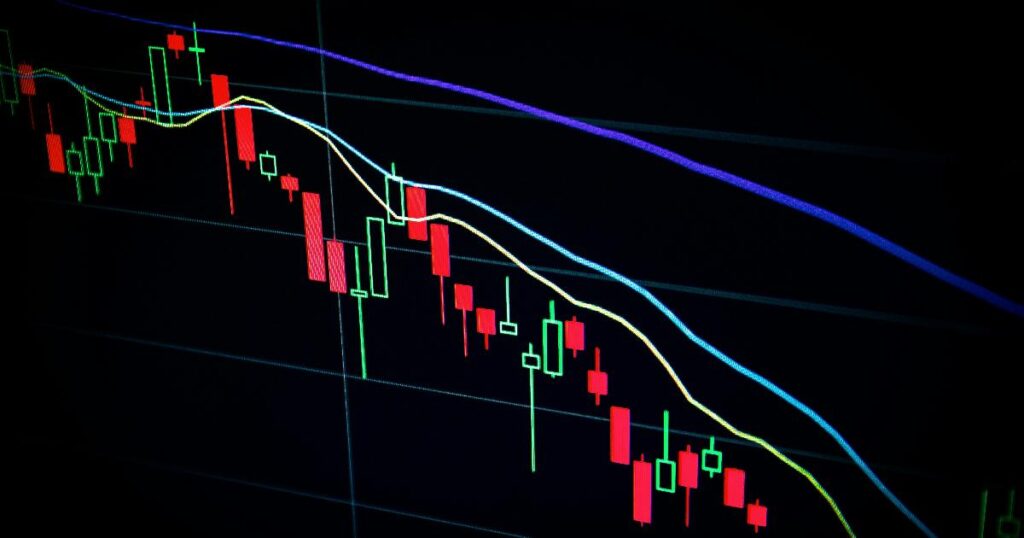
Analytical view of resilient markets in 2026 and the hidden portfolio risk from higher rates, currency swings, and concentration
Market Risks

Resilience Isn’t the Same as Safety: What 2026’s “Steady” Markets Are Still Hiding

Halfway through 2026, the dominant story in market commentary is not collapse but endurance. Despite tariffs, war, sticky inflation, and central banks that refuse to cut rates as fast as markets would like, the global economy has mostly done what skeptics said it couldn’t: it held together. That is a genuinely useful fact. It is also, on its own, a poor guide to how much risk sits inside a typical portfolio right now — because resilience at the level of GDP and corporate earnings does not automatically translate into calm at the level of bond prices, currency swings, or concentrated equity positions.

Scroll to Top