
inflation

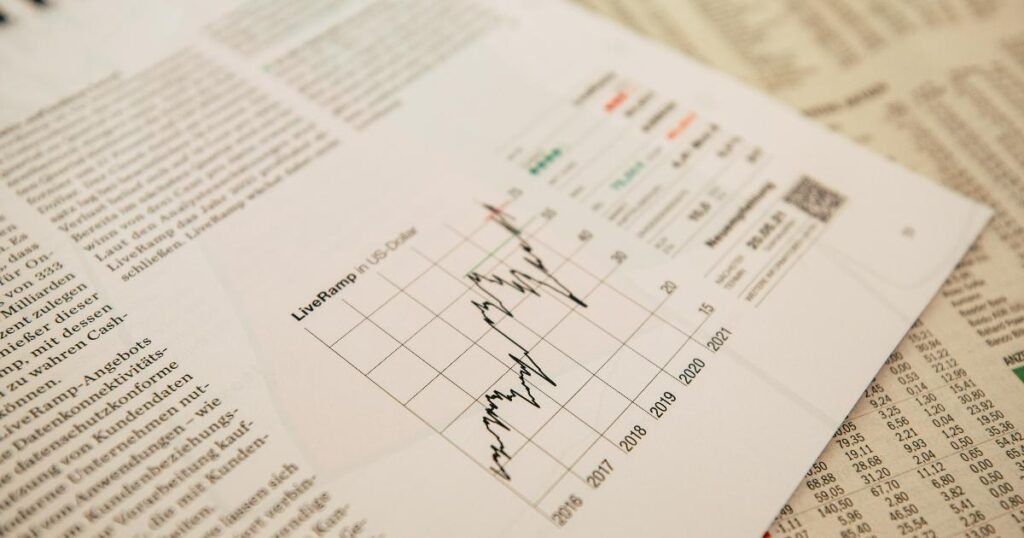
A stock market chart beside newspaper headlines showing market risk and investor discipline
Market Risks

When the Headlines Scream and the Market Shrugs: Lessons From 2026’s First Half

If you had read only the news in the first six months of 2026 — a war disrupting the world’s most important oil chokepoint, inflation jumping to a multi-year high, a new Federal Reserve chair upending communication norms — you might have guessed the stock market spent the period in retreat. Instead, the S&P 500 notched roughly two dozen record highs and returned over 10% including dividends. That gap between the tone of the headlines and the arithmetic of portfolio statements is not a fluke of 2026. It is a recurring pattern that says something important about how markets actually absorb risk, and it is worth understanding before the next scary headline arrives — because there will always be one.


A savings account statement beside cash and rising price tags, illustrating the hidden cost of cash over time
Investor Behavior

When “Safe” Cash Is Quietly Losing You Money

Ask most savers why they keep a large balance in a savings account rather than in the stock market, and the answer usually comes down to a single word: safety. Cash cannot fall to zero overnight, it is there when you need it, and it never sends you an alarming statement after a bad month for shares. But that comfort has a cost that rarely shows up on any statement — and according to Vanguard’s head of behavioural economics research, Andy Reed, it is a cost the UK is paying on a very large scale.

A Tokyo skyline with the yen exchange rate board and stock market screens, illustrating Japan rate hike risks for investors.
Market Risks

Japan’s Highest Rates in Decades Don’t Simplify the Risk — They Multiply It

When a central bank raises rates after decades of near-zero policy, the instinct is to treat it as good news: tighter money, a firmer currency, a more “normal” economy. Japan’s latest move tempts exactly that reading. But for an investor holding Japanese equities, an ETF, or a diversified global fund with Japan inside it, the more useful question isn’t whether the Bank of Japan (BoJ) is normalizing — it’s which risks that normalization is quietly rearranging underneath the surface.

Scroll to Top