

federal reserve

A financial analyst reviewing a state-level money survey and noting the limits of survey data
Financial Data

What a Five-State Money Survey Can — and Can’t — Tell You

When NerdWallet reported that 40% of Georgia adults and 39% of New York adults had stressed about covering basic living expenses in the past year, the numbers arrived with the tidy authority that state-level statistics often carry. They sound like a verdict: Georgia and New York are the stressed states; California and Texas, where roughly 30% of adults say they save regularly, look comparatively steadier. But a single percentage attached to a state name is doing a lot of quiet work — flattening cities and small towns, renters and owners, twenty-somethings and retirees into one number. The real skill in reading a survey like this isn’t spotting the headline. It’s noticing what the headline had to leave out.
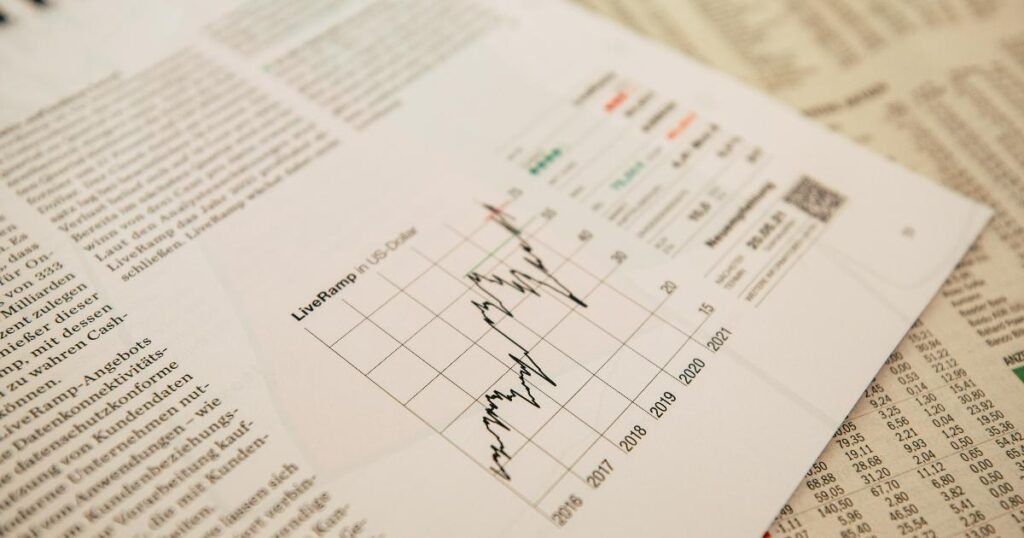
A stock market chart beside newspaper headlines showing market risk and investor discipline
Market Risks

When the Headlines Scream and the Market Shrugs: Lessons From 2026’s First Half

If you had read only the news in the first six months of 2026 — a war disrupting the world’s most important oil chokepoint, inflation jumping to a multi-year high, a new Federal Reserve chair upending communication norms — you might have guessed the stock market spent the period in retreat. Instead, the S&P 500 notched roughly two dozen record highs and returned over 10% including dividends. That gap between the tone of the headlines and the arithmetic of portfolio statements is not a fluke of 2026. It is a recurring pattern that says something important about how markets actually absorb risk, and it is worth understanding before the next scary headline arrives — because there will always be one.

Scroll to Top