

ETFs

A Tokyo skyline with the yen exchange rate board and stock market screens, illustrating Japan rate hike risks for investors.
Market Risks

Japan’s Highest Rates in Decades Don’t Simplify the Risk — They Multiply It

When a central bank raises rates after decades of near-zero policy, the instinct is to treat it as good news: tighter money, a firmer currency, a more “normal” economy. Japan’s latest move tempts exactly that reading. But for an investor holding Japanese equities, an ETF, or a diversified global fund with Japan inside it, the more useful question isn’t whether the Bank of Japan (BoJ) is normalizing — it’s which risks that normalization is quietly rearranging underneath the surface.
A simple three ETF portfolio diagram beside a notebook, showing how a three fund portfolio can help organize broad market investing
Investment Myths

Three ETFs Won’t Fix Your Portfolio — But Understanding Them Might

A $200,000 salary and a healthy checking balance can create a convincing illusion of financial security. The money is there; it is visible; it feels safe. What it is not doing, in most cases, is working. A dormant 401(k) you haven’t touched in two years and a savings account quietly losing ground to inflation are not a portfolio — they are a holding pattern with a respectable income attached.

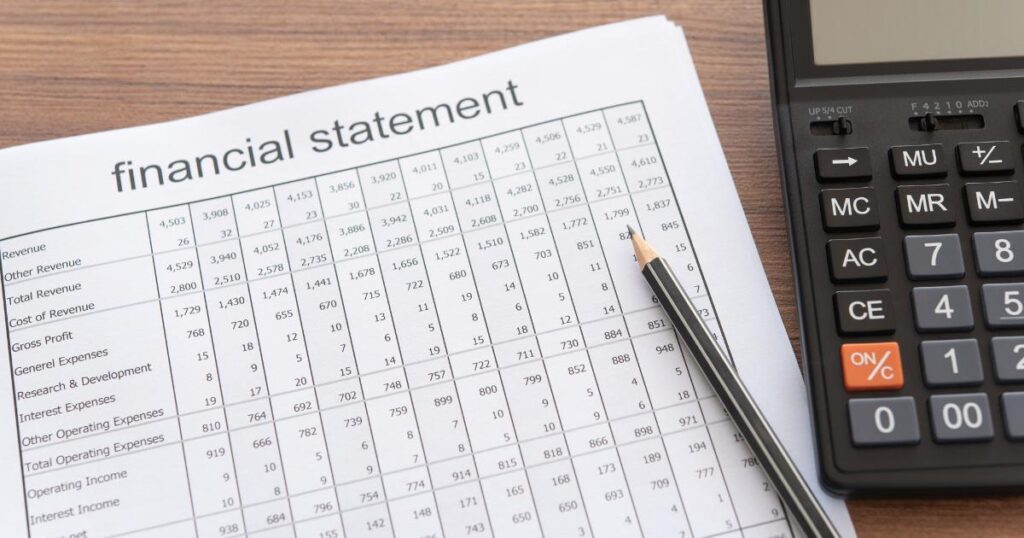
A calculator beside investment statements illustrates how the expense ratio reduces long-term portfolio growth
Costs

Fund Fees Are a Guaranteed Drag on Returns — Here Is How to Think About Them

Most investment costs live in the realm of possibility: you might overpay in taxes, you might pick a poorly timed entry point, you might encounter unexpected trading frictions. The expense ratio is different. It is not a possibility. Every year you hold a fund, that percentage leaves your portfolio — in good markets, in bad markets, and in flat ones — whether or not the fund earned a single dollar for you.

Scroll to Top