diversification

A stock market chart beside newspaper headlines showing market risk and investor discipline
Market Risks

When the Headlines Scream and the Market Shrugs: Lessons From 2026’s First Half

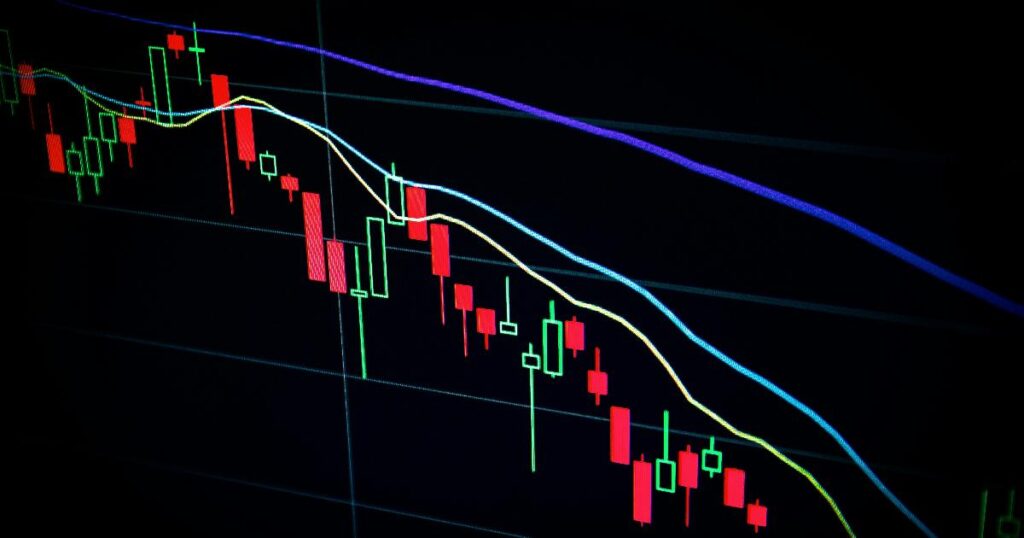
If you had read only the news in the first six months of 2026 — a war disrupting the world’s most important oil chokepoint, inflation jumping to a multi-year high, a new Federal Reserve chair upending communication norms — you might have guessed the stock market spent the period in retreat. Instead, the S&P 500 notched roughly two dozen record highs and returned over 10% including dividends. That gap between the tone of the headlines and the arithmetic of portfolio statements is not a fluke of 2026. It is a recurring pattern that says something important about how markets actually absorb risk, and it is worth understanding before the next scary headline arrives — because there will always be one.

Corporate borrowers and bank loan documents illustrating the bank capital effect on business lending costs
Diversification

Who Actually Pays for a Safer Bank? The Corporate Borrower, Mostly

A bank raises capital, and the first question is usually whether borrowers will pay for it. It sounds like a simple question with a simple answer — either capital rules are free lunches for financial stability, or they are a hidden tax on anyone who borrows money. Updated research from the Bank of England suggests the truth sits uncomfortably between those two stories, and in a more specific place than either camp usually admits.

Employee reviewing IPO stock holdings and tax paperwork to assess the IPO windfall and diversification risk
Diversification

The IPO Illusion: When a Stock Windfall Leaves You More Exposed, Not Less

An initial public offering is supposed to be the payoff moment — the day years of below-market salary and illiquid paper equity finally convert into something real. But for many employees, IPO day marks the start of a different problem: a portfolio balance that looks enormous on screen while remaining stubbornly hard to actually rebalance. The stock is suddenly “real,” the tax bill is suddenly due, and the ability to sell is often the last thing to arrive. That sequencing — value first, liquidity last — is what turns an IPO from a tax-planning puzzle into a concentration-risk problem.

Analytical view of resilient markets in 2026 and the hidden portfolio risk from higher rates, currency swings, and concentration
Market Risks

Resilience Isn’t the Same as Safety: What 2026’s “Steady” Markets Are Still Hiding

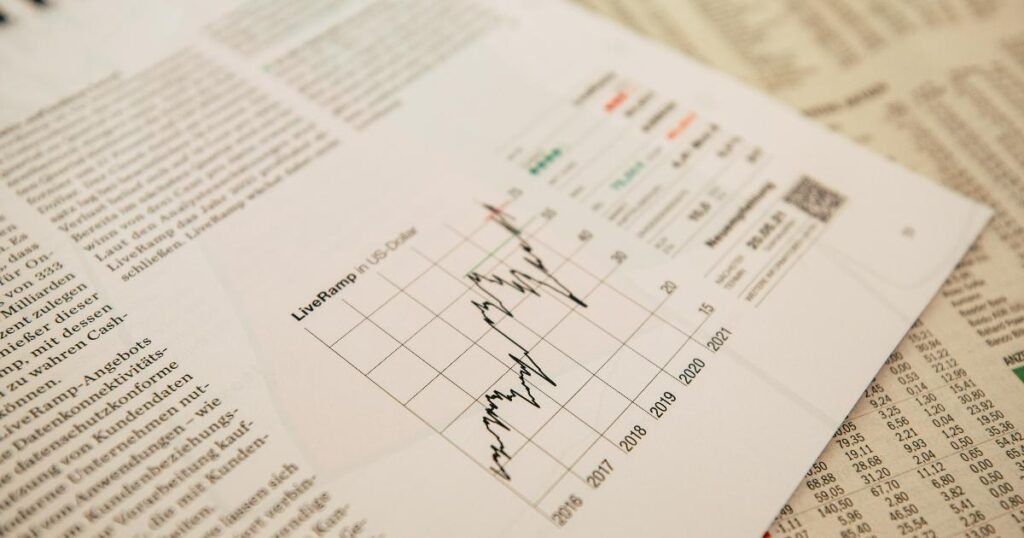
Halfway through 2026, the dominant story in market commentary is not collapse but endurance. Despite tariffs, war, sticky inflation, and central banks that refuse to cut rates as fast as markets would like, the global economy has mostly done what skeptics said it couldn’t: it held together. That is a genuinely useful fact. It is also, on its own, a poor guide to how much risk sits inside a typical portfolio right now — because resilience at the level of GDP and corporate earnings does not automatically translate into calm at the level of bond prices, currency swings, or concentrated equity positions.

A simple three ETF portfolio diagram beside a notebook, showing how a three fund portfolio can help organize broad market investing
Investment Myths

Three ETFs Won’t Fix Your Portfolio — But Understanding Them Might

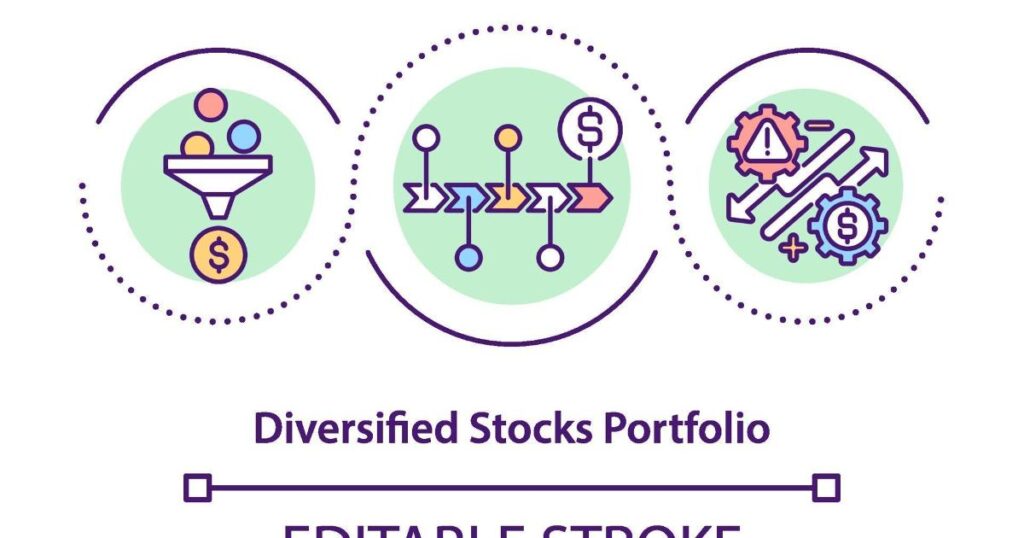
A $200,000 salary and a healthy checking balance can create a convincing illusion of financial security. The money is there; it is visible; it feels safe. What it is not doing, in most cases, is working. A dormant 401(k) you haven’t touched in two years and a savings account quietly losing ground to inflation are not a portfolio — they are a holding pattern with a respectable income attached.

Scroll to Top