
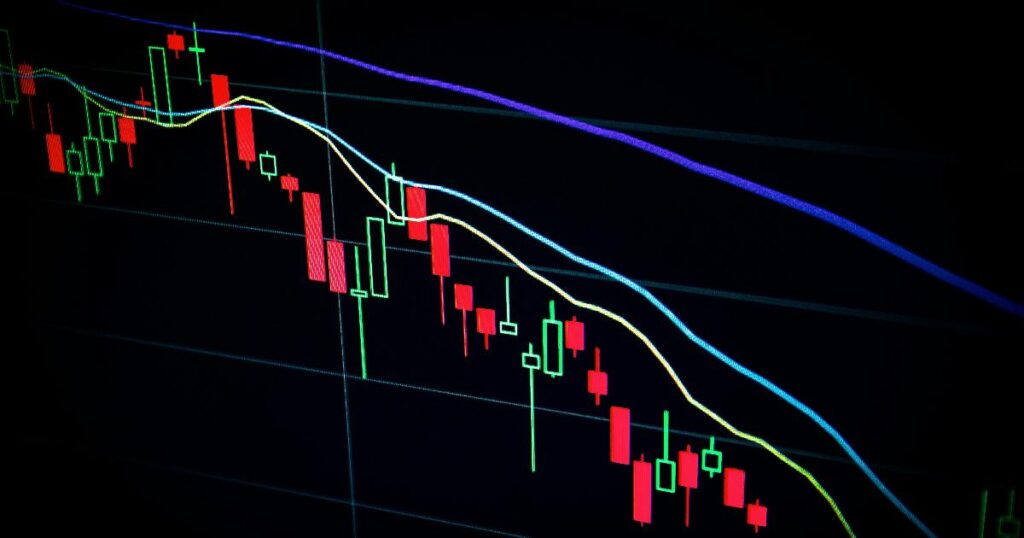
concentration risk

Historical stock market chart showing the divergence between S&P 500 index recovery and individual Nifty Fifty stocks during the 1970s bear market, illustrating concentration risk in a portfolio.
Market History

The Nifty Fifty Paradox: How a Market Can Recover While Your Portfolio Never Does

In December 1972, a Wall Street money manager could tell you with total confidence which fifty stocks belonged in every serious portfolio. Xerox. IBM. Polaroid. Coca-Cola. Avon. These were the “one-decision” stocks — you bought them, and you never had to think again. Some traded at 50, 80, even 90 times earnings, multiples that would make even today’s most enthusiastic tech investor pause. Within two years, several of them had lost more than three-quarters of their value. A decade later, the broad market had long since moved on, but many of the era’s favorite names were still nursing wounds — some of them permanent. And yet, if you zoom out far enough, an equally weighted basket of those same fifty stocks eventually matched the market’s return over the following quarter century. Both of those facts are true at once, and understanding why is the whole point of this article.

Employee reviewing IPO stock holdings and tax paperwork to assess the IPO windfall and diversification risk
Diversification

The IPO Illusion: When a Stock Windfall Leaves You More Exposed, Not Less

An initial public offering is supposed to be the payoff moment — the day years of below-market salary and illiquid paper equity finally convert into something real. But for many employees, IPO day marks the start of a different problem: a portfolio balance that looks enormous on screen while remaining stubbornly hard to actually rebalance. The stock is suddenly “real,” the tax bill is suddenly due, and the ability to sell is often the last thing to arrive. That sequencing — value first, liquidity last — is what turns an IPO from a tax-planning puzzle into a concentration-risk problem.

Scroll to Top