
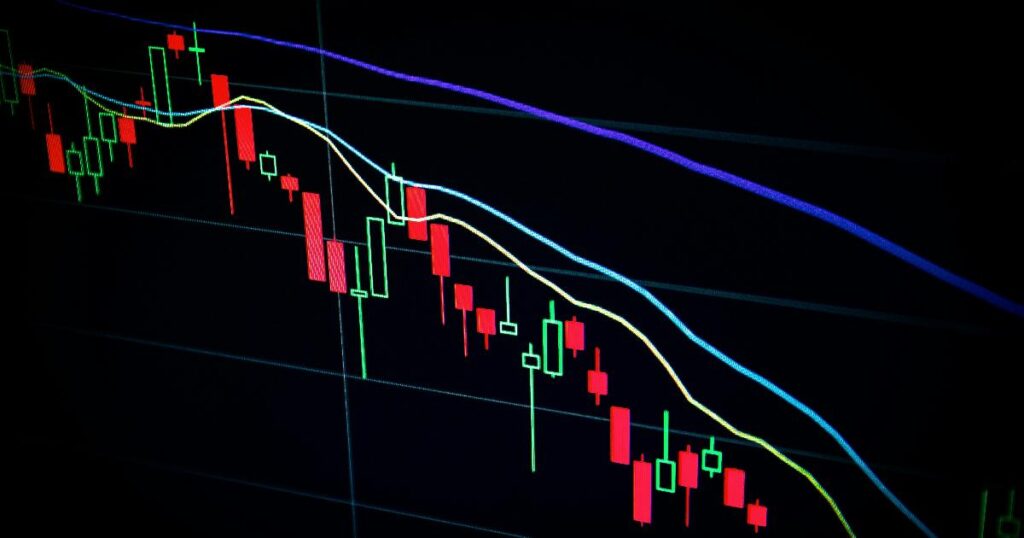
bear markets

A historical stock market chart showing modest daily gains, illustrating the 54% edge in market history
Market History

The 54% Illusion: Why a Tiny Daily Edge Doesn’t Guarantee an Easy Ride

A market that finishes higher on barely more than half its trading days sounds like a coin flip with a slight thumb on the scale — hardly the stuff of retirement security. And yet that modest edge, held long enough, has turned patient savers into comfortable retirees while impatient ones locked in losses trying to dodge the very days that made the difference. The catch is that the statistic everyone quotes — “the market is up 54% of the time” — is more of a doorway than an explanation. Walk through it carelessly and you’ll misread what it actually promises.
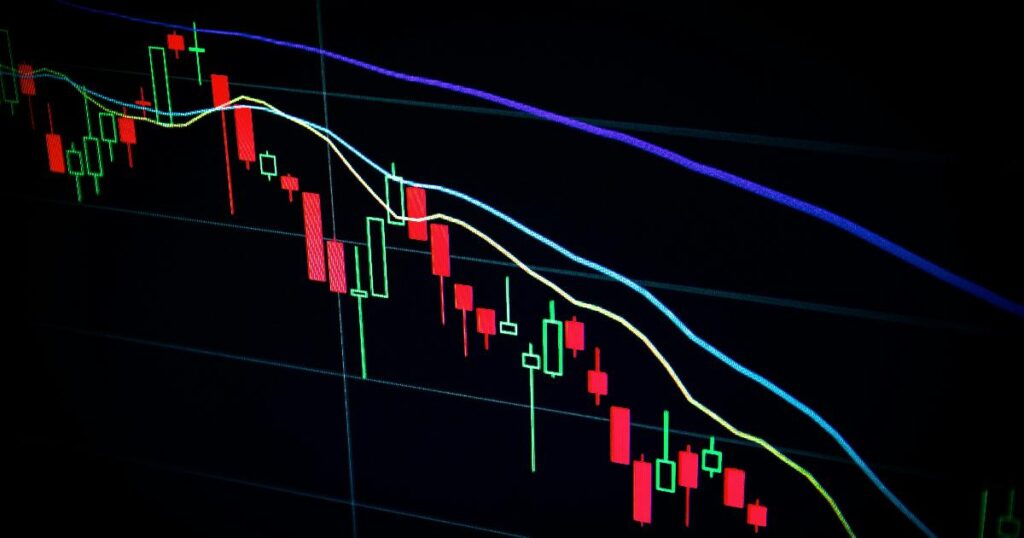
A stock chart dropping sharply on a monitor, illustrating the stock market crash risk despite a stable economy
Market Risks

Why a Calmer Economy Still Can’t Save Stocks From Crashing

A market can feel unusually forgiving for years — fewer recessions, faster policy fixes, more information reaching more people in less time — and still deliver the kind of gut-punch decline that makes headlines. That combination confuses a lot of investors, because it seems to contradict itself. If the economy is sturdier and traders can react instantly to bad news, shouldn’t the market simply glide upward with the occasional dip, rather than the occasional crash? The evidence says no, and the reason has less to do with economics than with what stocks are actually for.

Scroll to Top