Market History

Educational reviews of historical market scenarios, crises, bubbles, recoveries, and long periods of weak returns. History is used as a source of context, not as a reliable forecast of the future.

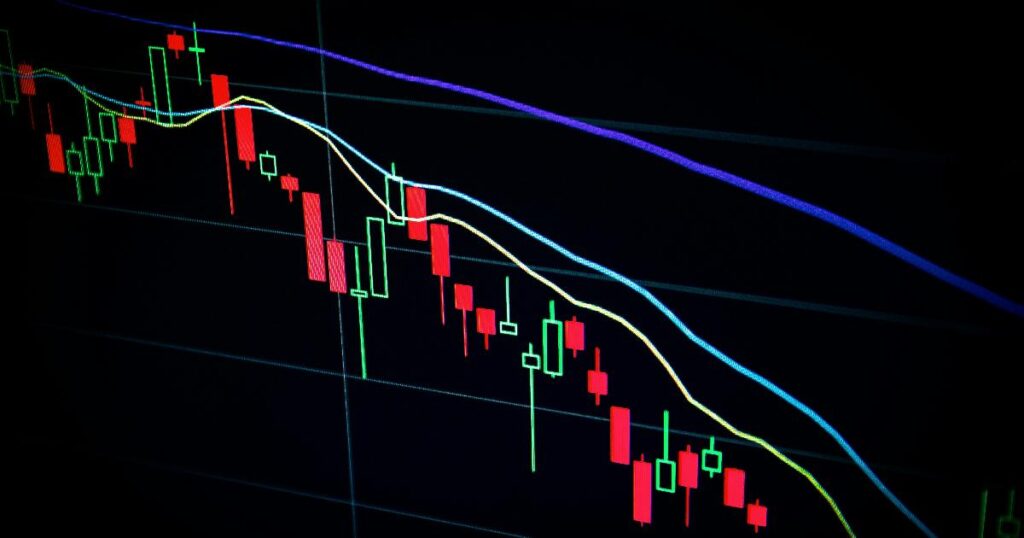
A trader watching a stock chart and margin account balance, illustrating record margin debt as a fragility gauge
Market History

Record Margin Debt Isn’t a Crash Signal — It’s a Fragility Gauge

Every few months a headline arrives warning that stock-market borrowing has hit a new record, and every few months investors ask the same question: does this mean a crash is coming? The honest answer is less satisfying than the headline. Record leverage tells you a great deal about how exposed individual portfolios have become to a downturn — and almost nothing about when, or whether, that downturn will arrive.

AI IPO wave on a stock market chart, with focus on lock-up expiration and valuation pressure
Market History

The AI IPO Wave Is Not the Signal — What Comes After Is

A string of trillion-dollar listings would be a spectacle by any measure. SpaceX, Anthropic, OpenAI — the names alone carry enough narrative weight to dominate financial headlines for months. But for investors trying to make sense of what a concentrated wave of AI mega-IPOs actually means for markets, the debut day excitement is probably the least important part of the story.

Analyst reviewing market charts and valuation data to assess a bubble risk in the stock market
Market History

Why Being Right About a Bubble Is Almost Never Enough

Every few years, a wave of credible, well-credentialed voices warns that markets have gone too far. They marshal data, draw historical parallels, and raise legitimate concerns about concentration, valuation, and speculative excess. And sometimes — often enough to keep the genre alive — they are vindicated. Yet the uncomfortable truth that rarely makes headlines is this: even a correct bubble call is almost never sufficient to make you money, or to protect you at the right moment.

Scroll to Top