Author name: admin

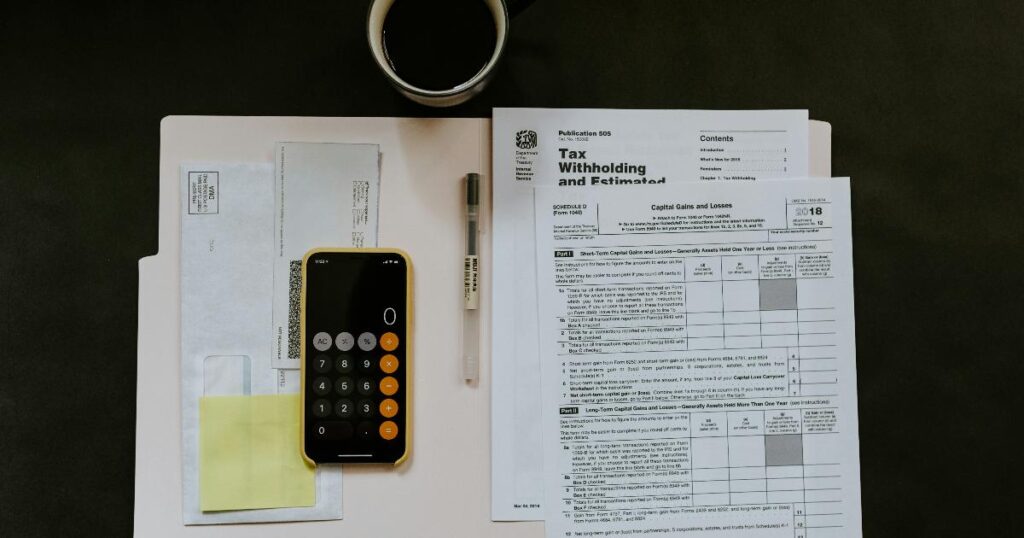
A surviving spouse reviewing retirement paperwork, illustrating the widow's penalty and higher taxes after a household changes size
Investor Behavior

When a Smaller Household Can Mean a Bigger Tax Bill

Losing a spouse is among the most disorienting experiences a person can face. In the weeks and months that follow, surviving spouses must navigate estate paperwork, benefit decisions, and financial accounts — all while grieving. What many do not anticipate is a tax surprise waiting quietly on the horizon: the same retirement income, or even a reduced version of it, can end up being taxed more heavily once a person files alone.

A person reviewing bank statements and budget categories, illustrating a data-driven budget based on real spending data
Investment Myths

Why Your Budget Fails Before You Even Start Spending

Most budgets do not collapse because of weak willpower. They collapse because the numbers inside them were wrong from the beginning. The discipline problem everyone talks about is often a data problem in disguise — and that distinction matters more than any clever budgeting formula you could choose.

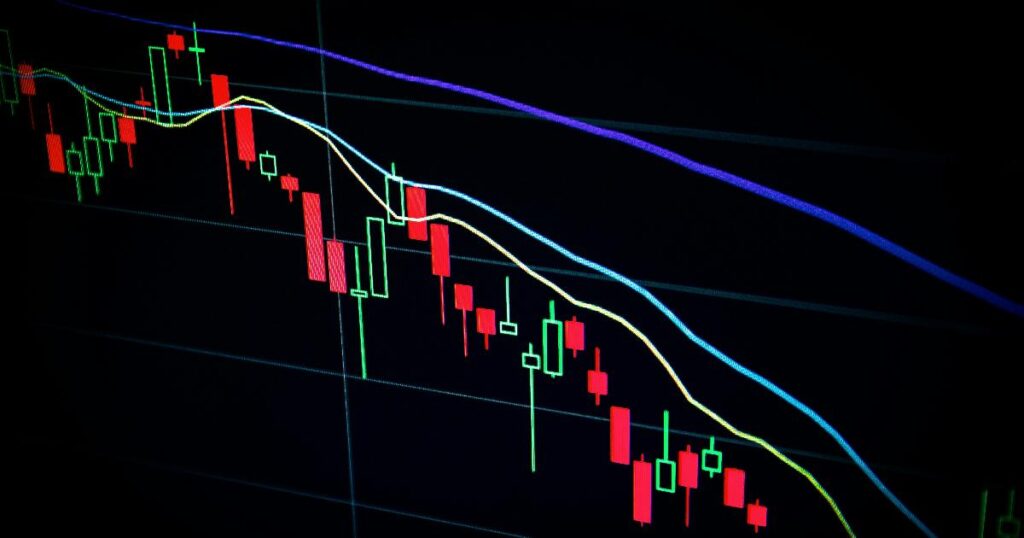
Analyst reviewing market charts and valuation data to assess a bubble risk in the stock market
Market History

Why Being Right About a Bubble Is Almost Never Enough

Every few years, a wave of credible, well-credentialed voices warns that markets have gone too far. They marshal data, draw historical parallels, and raise legitimate concerns about concentration, valuation, and speculative excess. And sometimes — often enough to keep the genre alive — they are vindicated. Yet the uncomfortable truth that rarely makes headlines is this: even a correct bubble call is almost never sufficient to make you money, or to protect you at the right moment.

Monthly dividend ETFs like SPHD and DIVO can look safe, but their income depends on equity risk, sector exposure, and options premiums.
Market Risks

Monthly Dividend ETFs and the Illusion of Safety: What SPHD and DIVO Actually Deliver

A monthly dividend that arrives with the regularity of a utility bill can feel like a financial anchor — predictable, reassuring, almost salary-like. For retirees drawing down a portfolio, that psychological comfort is real. But comfort is not the same as protection, and the payment schedule on an ETF says nothing about what is happening to the principal underneath it. Two funds that illustrate this tension particularly well are the Invesco S&P 500 High Dividend Low Volatility ETF (SPHD) and the Amplify CWP Enhanced Dividend Income ETF (DIVO): both pay monthly, both market themselves toward income-focused investors, and both carry equity risks that their branding does not always make obvious.

A calculator beside investment statements illustrates how the expense ratio reduces long-term portfolio growth
Costs

Fund Fees Are a Guaranteed Drag on Returns — Here Is How to Think About Them

Most investment costs live in the realm of possibility: you might overpay in taxes, you might pick a poorly timed entry point, you might encounter unexpected trading frictions. The expense ratio is different. It is not a possibility. Every year you hold a fund, that percentage leaves your portfolio — in good markets, in bad markets, and in flat ones — whether or not the fund earned a single dollar for you.

Scroll to Top