Author name: admin

Corporate borrowers and bank loan documents illustrating the bank capital effect on business lending costs
Diversification

Who Actually Pays for a Safer Bank? The Corporate Borrower, Mostly

A bank raises capital, and the first question is usually whether borrowers will pay for it. It sounds like a simple question with a simple answer — either capital rules are free lunches for financial stability, or they are a hidden tax on anyone who borrows money. Updated research from the Bank of England suggests the truth sits uncomfortably between those two stories, and in a more specific place than either camp usually admits.
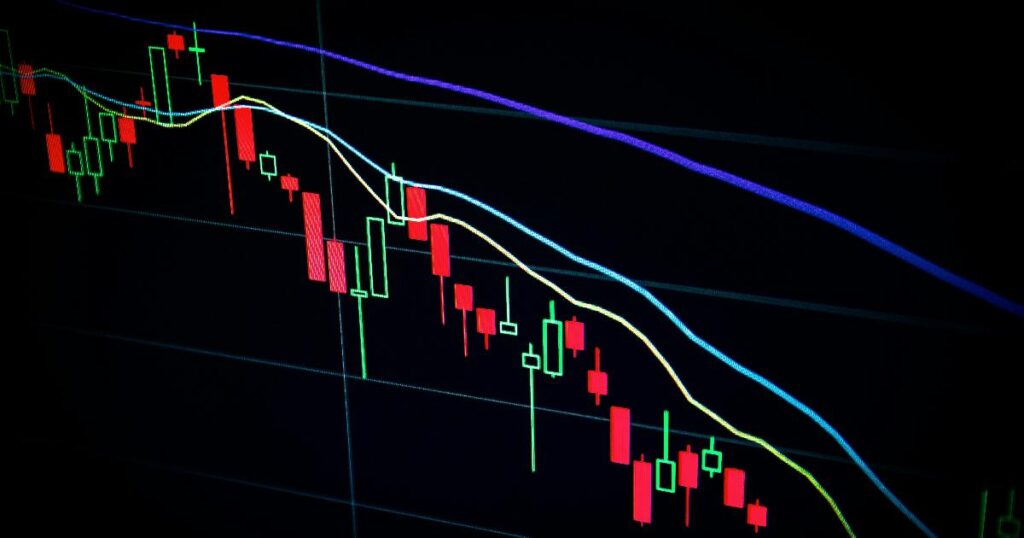

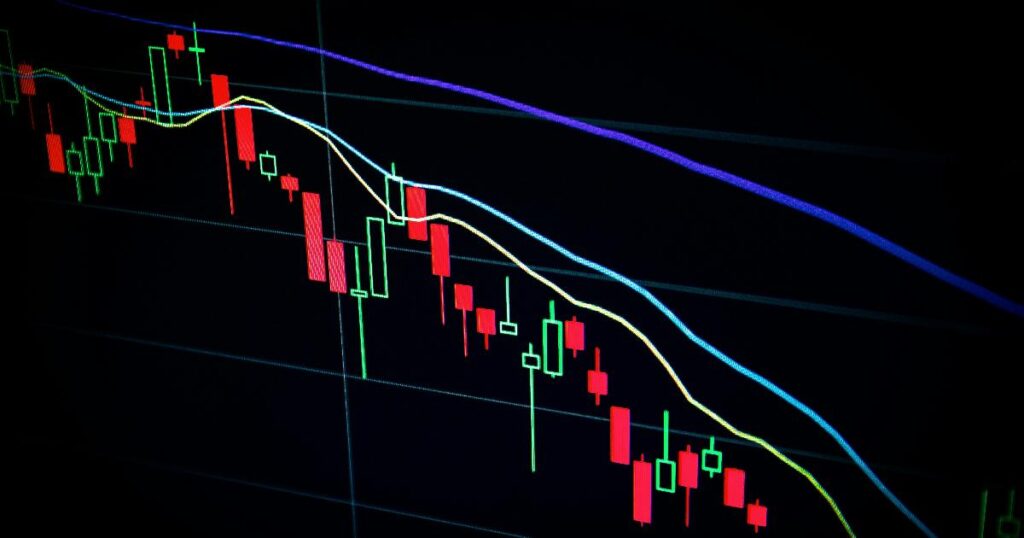
A trader watching a prediction market chart on multiple screens, illustrating how a focus_keyword phrase can be misleading when large bets do not equal better information.
Market History

When the Biggest Bet Isn’t the Smartest One

A prediction market feels like it should be honest by construction: real money changes hands, so surely only people who actually know something would risk it. That intuition is comforting, and it is also the exact assumption a new study puts under the microscope — with results that should make any investor pause before treating “big money” as a synonym for “good information.”

Employee reviewing IPO stock holdings and tax paperwork to assess the IPO windfall and diversification risk
Diversification

The IPO Illusion: When a Stock Windfall Leaves You More Exposed, Not Less

An initial public offering is supposed to be the payoff moment — the day years of below-market salary and illiquid paper equity finally convert into something real. But for many employees, IPO day marks the start of a different problem: a portfolio balance that looks enormous on screen while remaining stubbornly hard to actually rebalance. The stock is suddenly “real,” the tax bill is suddenly due, and the ability to sell is often the last thing to arrive. That sequencing — value first, liquidity last — is what turns an IPO from a tax-planning puzzle into a concentration-risk problem.

A laptop displaying a robo-advisor portfolio dashboard beside market charts, illustrating that a robo-advisor does not remove investment risk.
Investment Myths

The Robo-Advisor Myth: Why “Set It and Forget It” Isn’t the Same as “Safer”

A robo-advisor promises something appealing: hand over your investing decisions to an algorithm, and let discipline replace guesswork. But discipline is not the same as protection. Automating the mechanics of investing — rebalancing, fund selection, sometimes tax optimization — changes how a portfolio is managed, not whether it can lose money. Before comparing management fees or reading “best overall” rankings, it helps to separate what these platforms genuinely improve from what they simply repackage.

Historic ledger and Treasury bonds illustrating American debt history and investor risk
Market History

Two Founders, One Debate: What 250 Years of American Debt Teaches Investors About Risk

Every time a headline warns that the national debt has hit a fresh record, it’s worth remembering that the United States was born broke. In 1776, the newly declared nation had no power to tax, a currency worth little more than the paper it was printed on, and defaulted loans owed to European lenders. That founding fact — often lost in modern debt panic — is the starting point for a more useful investor question than “is this the crisis that finally breaks the system?” The better question is: how has this system historically behaved under stress, and what does that behavior actually tell us about risk today?

Analytical view of resilient markets in 2026 and the hidden portfolio risk from higher rates, currency swings, and concentration
Market Risks

Resilience Isn’t the Same as Safety: What 2026’s “Steady” Markets Are Still Hiding

Halfway through 2026, the dominant story in market commentary is not collapse but endurance. Despite tariffs, war, sticky inflation, and central banks that refuse to cut rates as fast as markets would like, the global economy has mostly done what skeptics said it couldn’t: it held together. That is a genuinely useful fact. It is also, on its own, a poor guide to how much risk sits inside a typical portfolio right now — because resilience at the level of GDP and corporate earnings does not automatically translate into calm at the level of bond prices, currency swings, or concentrated equity positions.

Scroll to Top